Sewer Line Snaking in Denver, CO
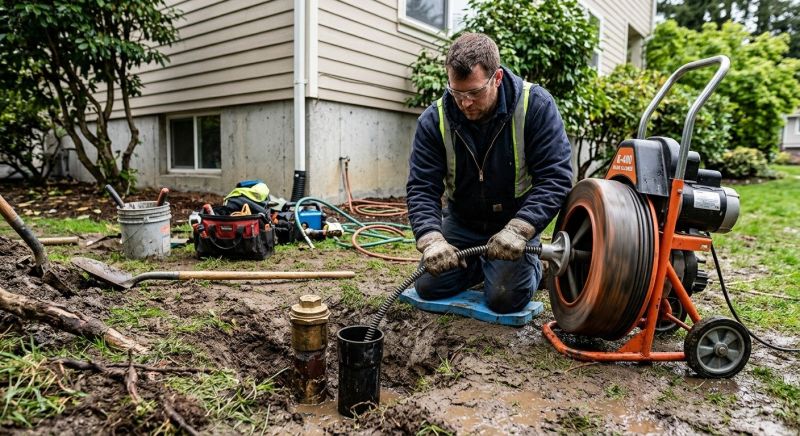
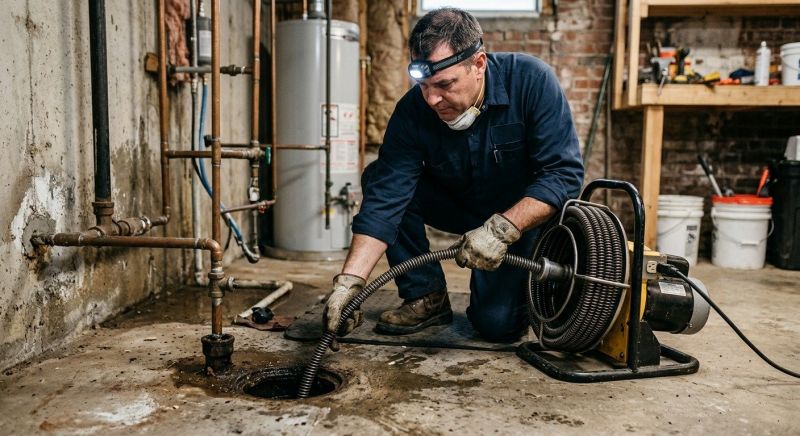
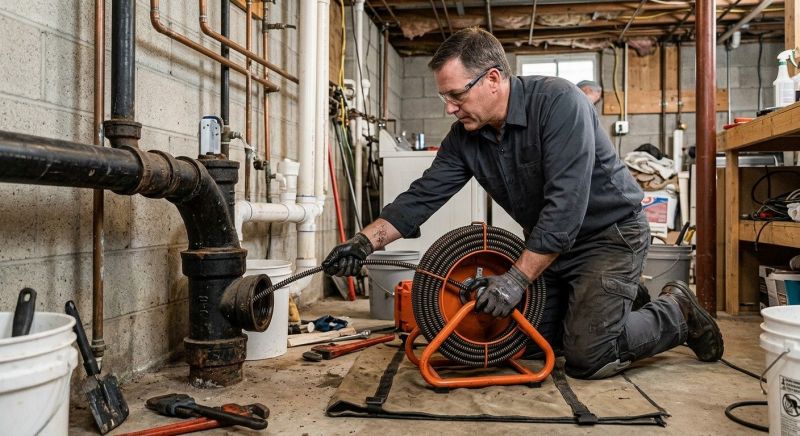
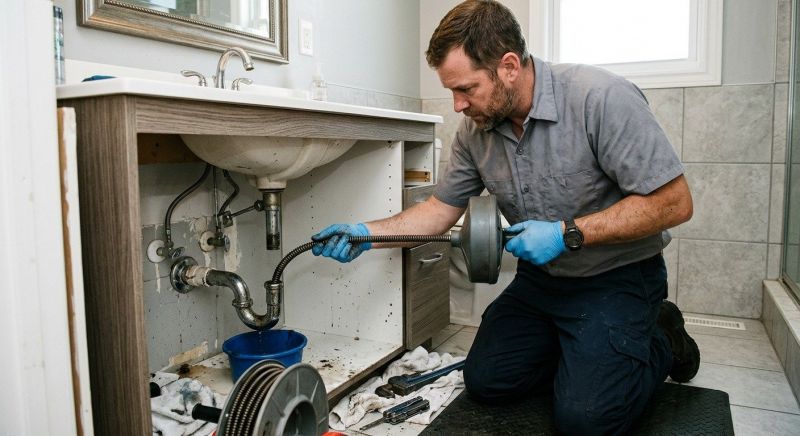
Sewer line snaking is a service used to clear blockages and obstructions within a home's main sewer line. This process involves inserting a flexible auger or snake into the pipe to break apart or remove debris, such as tree roots, grease buildup, or accumulated waste that can cause backups or slow drains. It is commonly requested for issues like recurring clogs, slow drains, or foul odors coming from the plumbing system, especially in homes where older sewer lines may be more prone to obstructions.
Property owners considering sewer line snaking should understand that the service is effective for addressing common blockages but may not resolve underlying issues like extensive pipe damage or severe root intrusion. Before requesting this service, it is helpful to know the location of the main sewer line, the history of drain problems, and whether there are any visible signs of sewer backups or slow drainage. Proper assessment can help determine if snaking is the appropriate solution or if additional repairs might be necessary.
Many property owners in Denver, CO look into Sewer Line Snaking for repairs, replacements, upgrades, and appearance-related improvements.
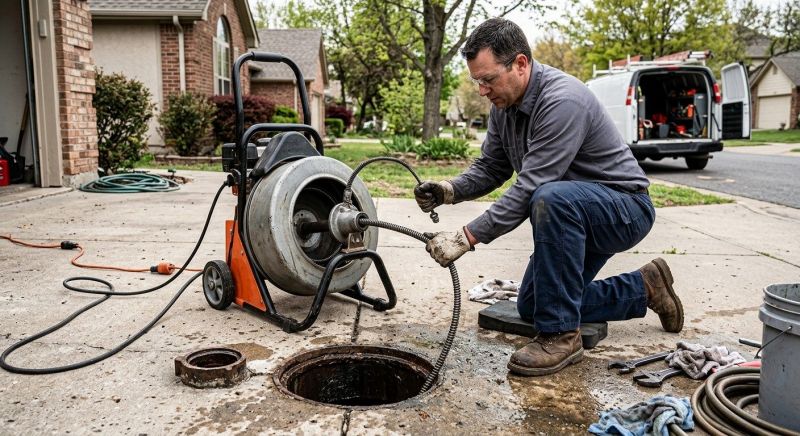
Clogged Drain Solutions
Sewer line snaking helps clear blockages caused by grease, debris, or buildup in residential and commercial properties around denver.
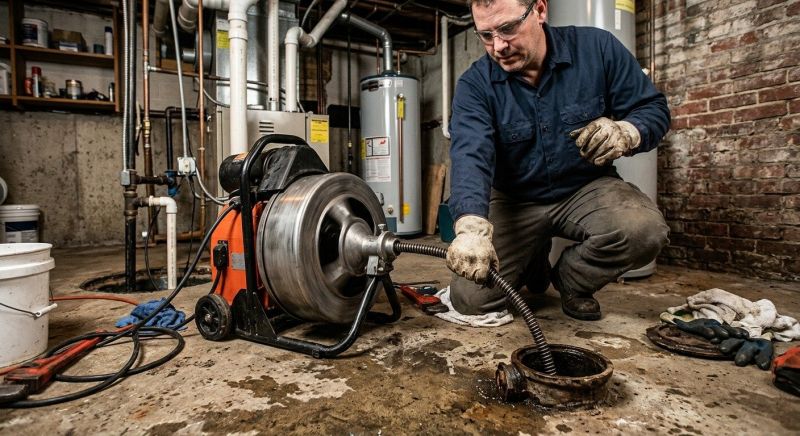
Preventing Sewer Backups
Regular snaking services can reduce the risk of backups and overflows in home sewer lines in denver neighborhoods.
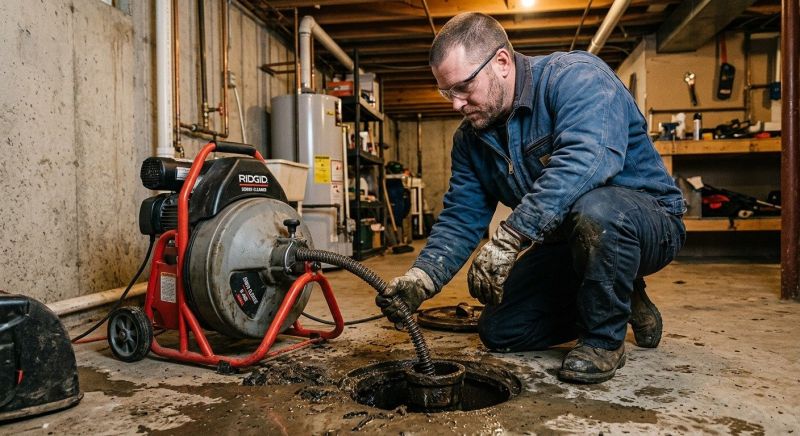
Maintenance And Inspection
Sewer line snaking is an effective method for maintaining healthy sewer systems and addressing common drainage issues promptly.
Sewer Line Snaking in Denver, CO
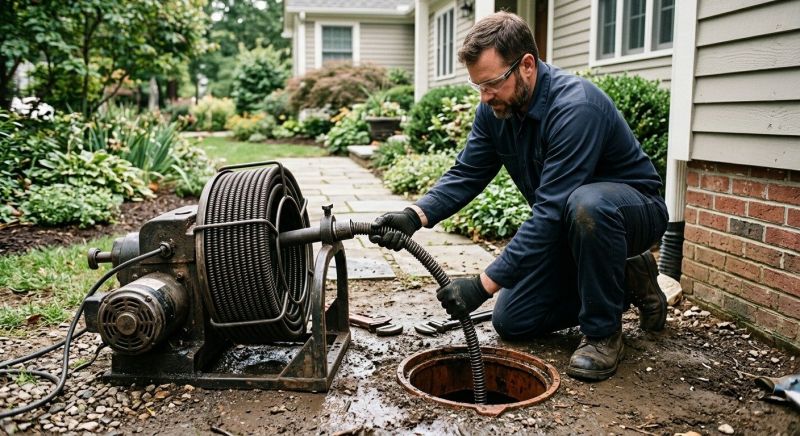
Sewer line snaking is a service used to clear blockages and obstructions within a home's main sewer line. This process involves inserting a flexible auger or snake into the pipe to break apart or remove debris, such as tree roots, grease buildup, or accumulated waste that can cause backups or slow drains. It is commonly requested for issues like recurring clogs, slow drains, or foul odors coming from the plumbing system, especially in homes where older sewer lines may be more prone to obstructions.
Property owners considering sewer line snaking should understand that the service is effective for addressing common blockages but may not resolve underlying issues like extensive pipe damage or severe root intrusion. Before requesting this service, it is helpful to know the location of the main sewer line, the history of drain problems, and whether there are any visible signs of sewer backups or slow drainage. Proper assessment can help determine if snaking is the appropriate solution or if additional repairs might be necessary.
Many property owners in Denver, CO look into Sewer Line Snaking for repairs, replacements, upgrades, and appearance-related improvements.
Common Sewer Line Snaking Jobs
Sewer Line Snaking Services - Clears blockages and restores proper flow in residential sewer lines.
Clog Removal - Effectively removes hair, grease, and debris causing backups.
Pipe Maintenance - Helps prevent future clogs by maintaining smooth pipe interiors.
Drain Clearing - Quickly addresses slow drains and recurring clogs in home plumbing.
Root Intrusion Removal - Eliminates roots that have penetrated sewer lines and caused blockages.
Preventative Care - Maintains sewer system functionality and reduces the risk of backups.
Sewer Line Snaking Questions
What is sewer line snaking? Sewer line snaking involves using a flexible auger to clear blockages and debris from a sewer pipe.
When should sewer line snaking be used? It is typically used when drains are slow or backing up due to clogs in the main sewer line.
Is sewer line snaking safe for pipes? Yes, when performed properly, it can effectively remove obstructions without damaging the pipes.
What types of blockages can sewer line snaking clear? It can address common clogs caused by grease, roots, debris, and buildup within the sewer line.
Request Sewer Line Snaking in Denver, CO
Use the quote form on this page to share the basics of your project and request more information for the type of work you need.