Rough Plumbing Installation in Denver, CO
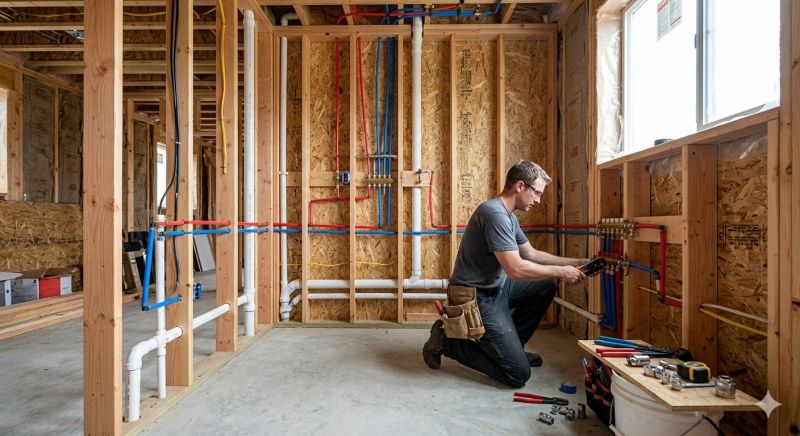
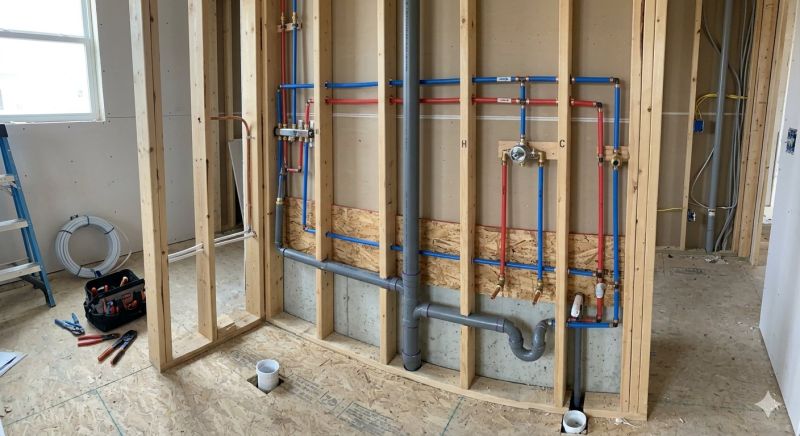
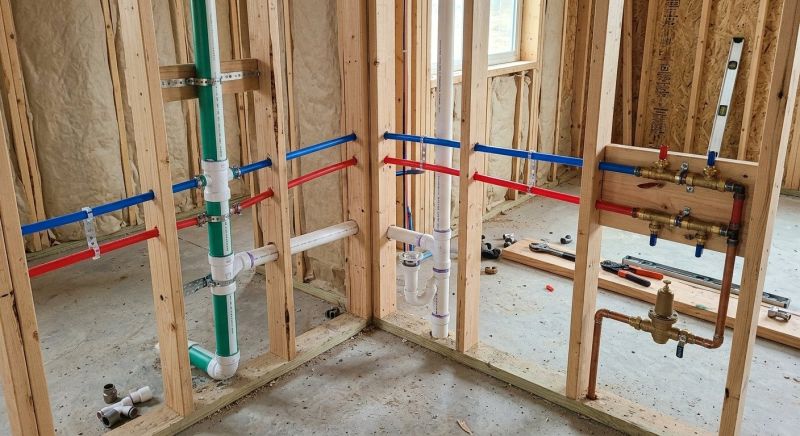
Rough plumbing installation services involve setting up the essential pipe systems that supply water and remove waste in residential properties. This service typically covers projects such as new construction plumbing, major renovations, or the replacement of outdated or damaged pipes. Homeowners often seek this service when building a new home, adding extensions, or upgrading existing plumbing infrastructure to ensure proper function and compliance with local codes.
Before requesting rough plumbing installation, property owners usually want to understand the scope of work involved, including the types of pipes used, the placement of fixtures, and any necessary permits or inspections. Clarifying the project's timeline and ensuring the installation aligns with the overall construction plan can help facilitate a smooth process. Proper planning and clear communication with the service provider can help ensure the plumbing system is reliable and meets the property's needs.
Many property owners in Denver, CO look into Rough Plumbing Installation for repairs, replacements, upgrades, and appearance-related improvements.
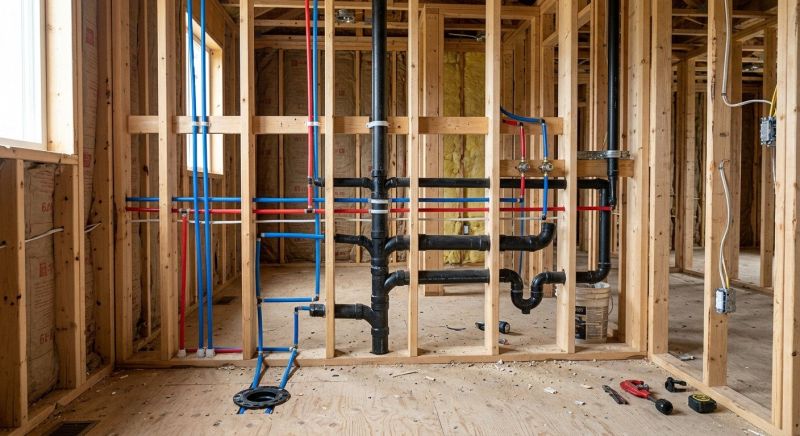
Rough Plumbing System Setup
Proper installation of pipes and fittings is essential for reliable water supply and drainage.
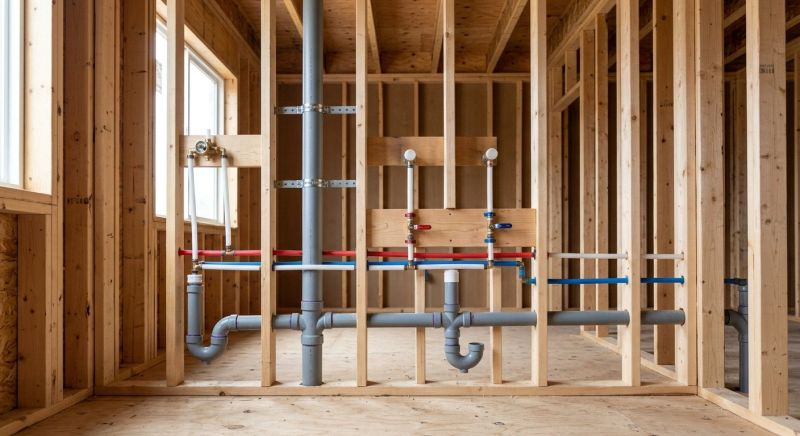
New Construction Plumbing
Installing rough plumbing in new buildings ensures all water and waste lines are correctly positioned before finishing.
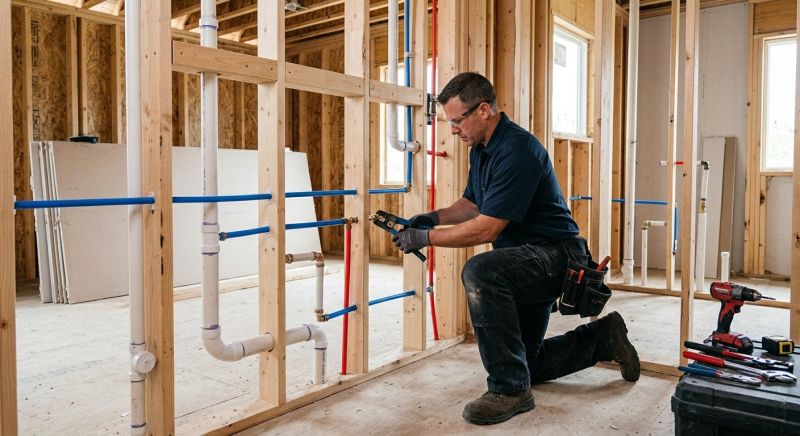
Remodeling And Renovation
Upgrading or relocating plumbing lines during renovations helps improve functionality and prevents future issues.
Rough Plumbing Installation in Denver, CO
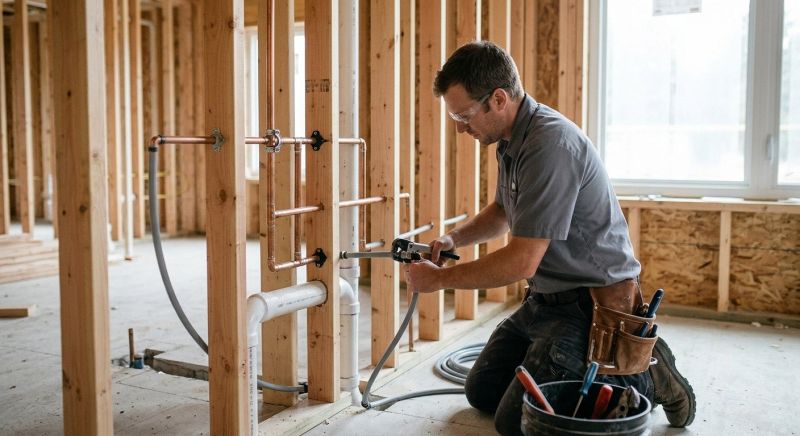
Rough plumbing installation services involve setting up the essential pipe systems that supply water and remove waste in residential properties. This service typically covers projects such as new construction plumbing, major renovations, or the replacement of outdated or damaged pipes. Homeowners often seek this service when building a new home, adding extensions, or upgrading existing plumbing infrastructure to ensure proper function and compliance with local codes.
Before requesting rough plumbing installation, property owners usually want to understand the scope of work involved, including the types of pipes used, the placement of fixtures, and any necessary permits or inspections. Clarifying the project's timeline and ensuring the installation aligns with the overall construction plan can help facilitate a smooth process. Proper planning and clear communication with the service provider can help ensure the plumbing system is reliable and meets the property's needs.
Many property owners in Denver, CO look into Rough Plumbing Installation for repairs, replacements, upgrades, and appearance-related improvements.
Common Rough Plumbing Installation Jobs
Rough Plumbing Installation - includes new pipework for renovations and new construction projects.
Fixture replacements - involves installing or upgrading sinks, toilets, and bathtubs.
Leak repairs - addresses leaks in existing plumbing systems to prevent water damage.
Drain line installation - sets up new drain lines for kitchens, bathrooms, or laundry areas.
Water line setup - connects new homes or additions to the main water supply.
Pipe rerouting - adjusts plumbing routes to improve function or accommodate remodeling.
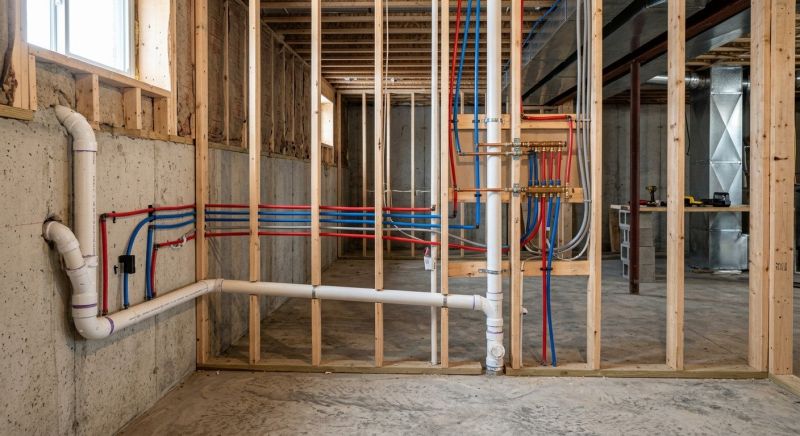
Rough Plumbing Installation Questions
What is rough plumbing installation? It involves installing the basic water supply and drainage pipes before finishing work begins in a property.
When is rough plumbing typically installed? It is usually done during the initial construction or renovation phase, before walls and floors are finished.
What types of projects require rough plumbing installation? New construction, major renovations, and adding new bathrooms or kitchens often need rough plumbing work.
What should property owners consider before starting rough plumbing? Ensuring proper planning for pipe layouts and understanding local building codes helps facilitate smooth installation.
Request Rough Plumbing Installation in Denver, CO
Use the quote form on this page to share the basics of your project and request more information for the type of work you need.